Assoc. Prof. Dr. Châu Đình Thành – Vice President of Ho Chi Minh City University of Technology and Education (HCMUTE) affirmed:
“The ‘Triple Helix’ model – Government, Academia, and Enterprises – is becoming a key driver for sustainable development.”
On the afternoon of November 7, 2025, HCMUTE hosted the Conference and Exhibition on “Promoting Triple Helix Collaboration in the Industrial Sector”, gathering more than 300 delegates from governmental agencies, enterprises, associations, international organizations, and a large number of students.
The event was co-organized by HCMUTE, the Vietnam Industrial Zone Information Portal (VIZ), the Ho Chi Minh City Industrial Zone Businesses Association (HBA), and the Ho Chi Minh City Supporting Industry Association (HASI). Its purpose was to concretize the spirit of Resolutions 57-NQ/TW and 71-NQ/TW, aiming toward a strategic cooperation model between Government – Academia – Enterprises to promote a modern, innovative, autonomous, and sustainable Vietnamese industry.
A Key Driver of Sustainable Development
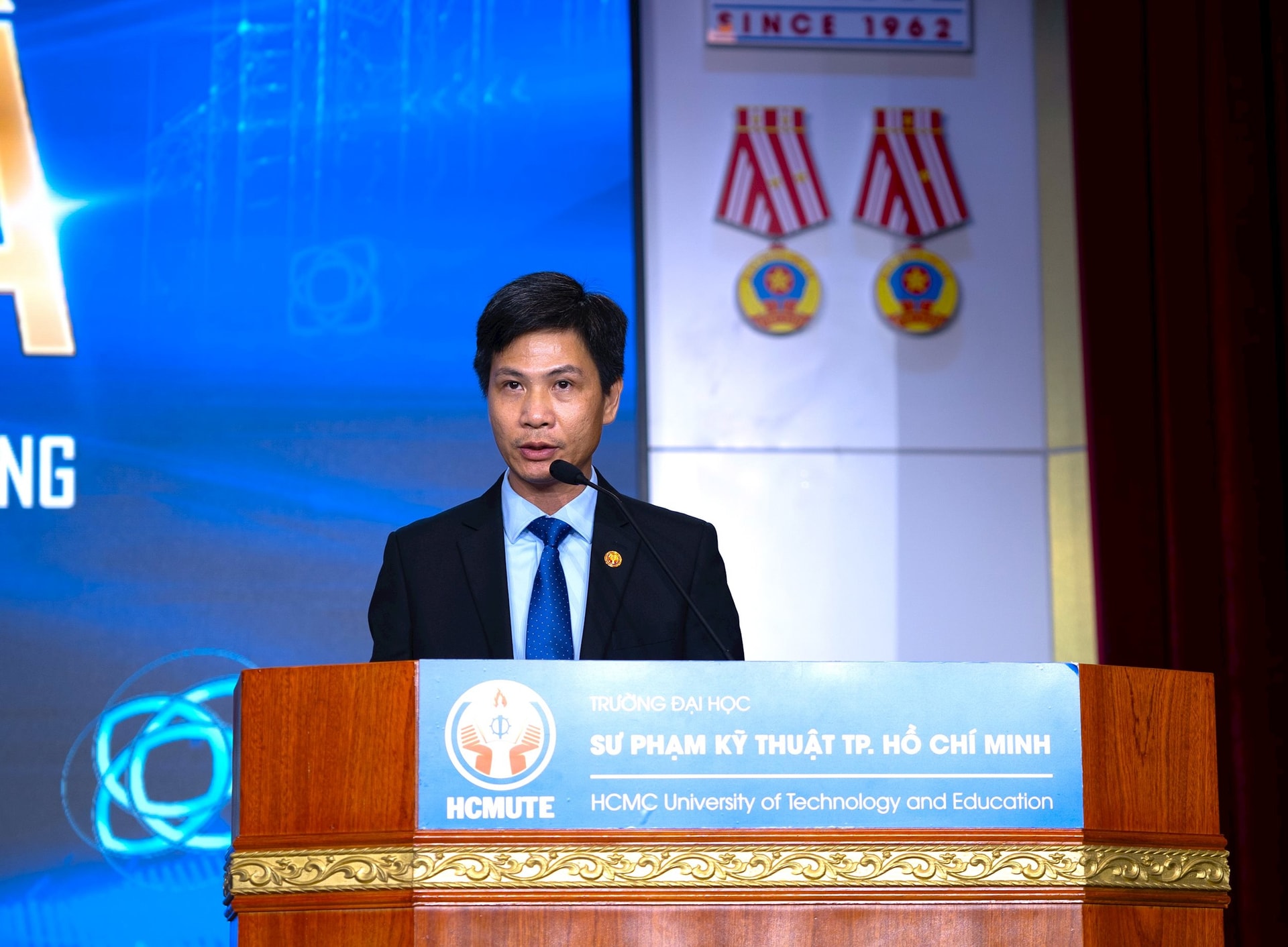
Assoc. Prof. Dr. Châu Đình Thành, Vice President of HCMUTE, delivered the opening speech emphasizing:
“The ‘Triple Helix’ model is becoming a central driver of sustainable development. This linkage enhances human resource quality, accelerates innovation in higher education, and strengthens the national innovation ecosystem, in alignment with Resolution 71-NQ/TW on breakthrough development in education tied to socio-economic needs.”
He further emphasized that this conference not only connects managers, universities, and enterprises but also lays the foundation for practical mechanisms, strategic visions, and concrete actions, all geared toward innovation, sustainable development, and elevating national competitiveness.
Assoc. Prof. Thành highlighted:
“Developing industrial human resources is not only an investment in people—it is a strategic lever to enhance production capacity, foster green growth, and reaffirm Vietnam’s global standing.”
He noted that universities must not only train talent but also become innovation hubs, connecting research – production – markets. By placing universities at the center, applied research can closely align with real industry needs, enabling deeper involvement of educational institutions in the production value chain and contributing to the creation of a Vietnamese knowledge-based industry.
A Breakthrough Legal Framework and Policy Mechanisms
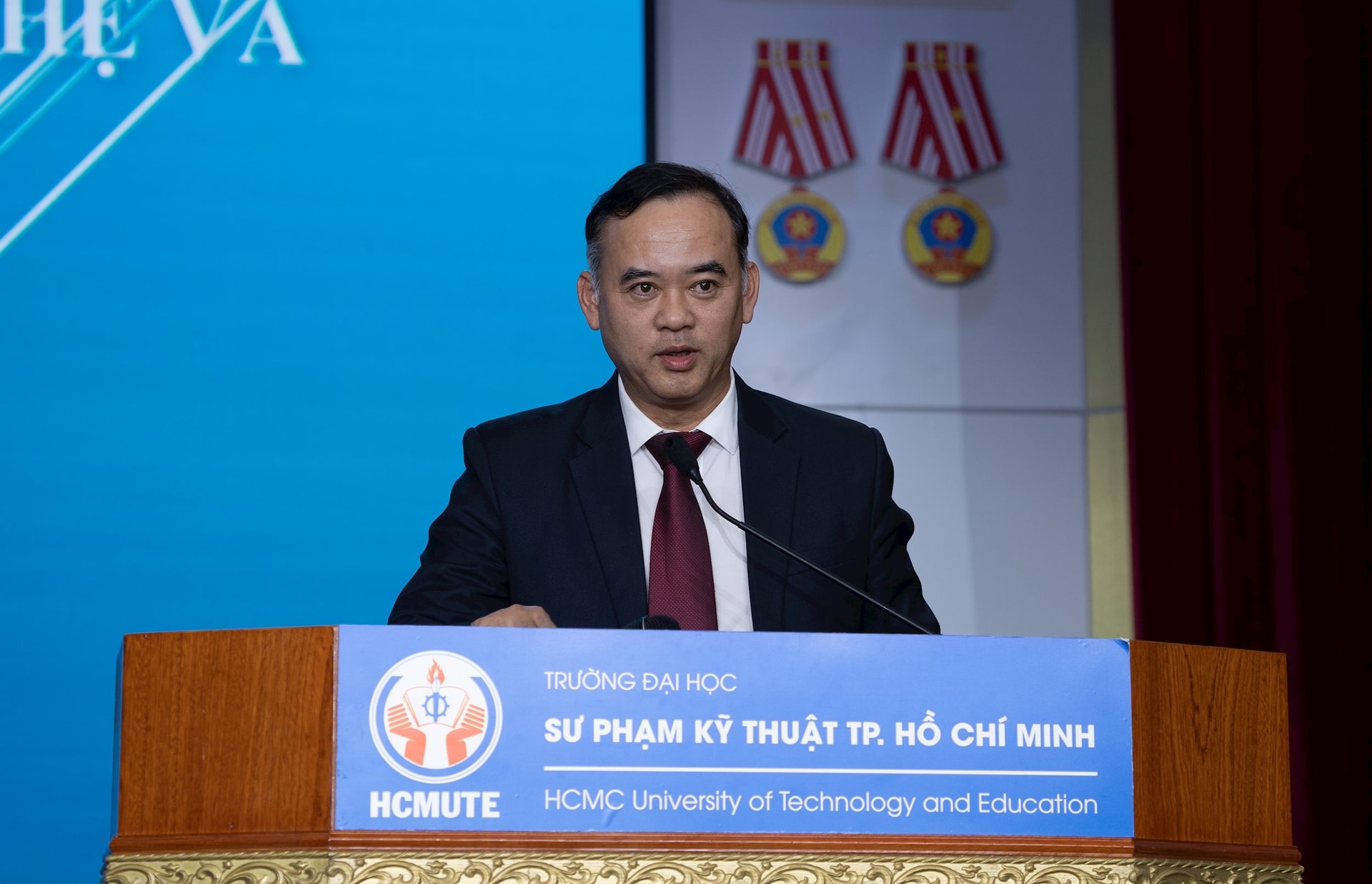
At the event, Dr. Trần Nam Tú, Deputy Director of the Department of Science, Technology and Information (Ministry of Education & Training), presented key updates regarding the legal framework.
He stated that the new Science, Technology, and Innovation Law represents a strong shift from input control to output-based management, encouraging research risk-taking. The core objective is to position enterprises as the center of the innovation system.
The legal foundation is further strengthened by Decree 180 on PPP investment, which enables collaboration among government agencies, universities, research institutes, and enterprises under public–private partnership mechanisms.
According to Decree 180:
- Public universities/institutes may contribute public assets or intellectual property to PPP projects.
- PPP participants can enjoy investment incentives, tax reductions/exemptions, and rights to own and commercialize research outcomes.
A Practical, Demand-Driven Action Ecosystem Is Needed
During his presentation, Mr. Võ Văn Thân, Chairman of HBA, remarked:
“Industrial zones are the core environment for production transformation. The ‘Triple Helix’ model is the key to effectively aligning policies, technology, and human resources.”
To implement this model effectively, he proposed three key solutions:
- Enterprise-Based “Order Mechanism”
- Enterprises present real-world challenges → Universities research solutions → HBA serves as the connecting bridge for pilot deployment.
- Enterprises present real-world challenges → Universities research solutions → HBA serves as the connecting bridge for pilot deployment.
- “Enterprise Laboratories” at Universities
- Establishing practice zones simulating modern production lines for both students and industry to test technologies.
- Establishing practice zones simulating modern production lines for both students and industry to test technologies.
- Special Preferential Policies
Proposing tax, land lease, and loan incentives for enterprises investing in R&D, green transition, or training collaboration.
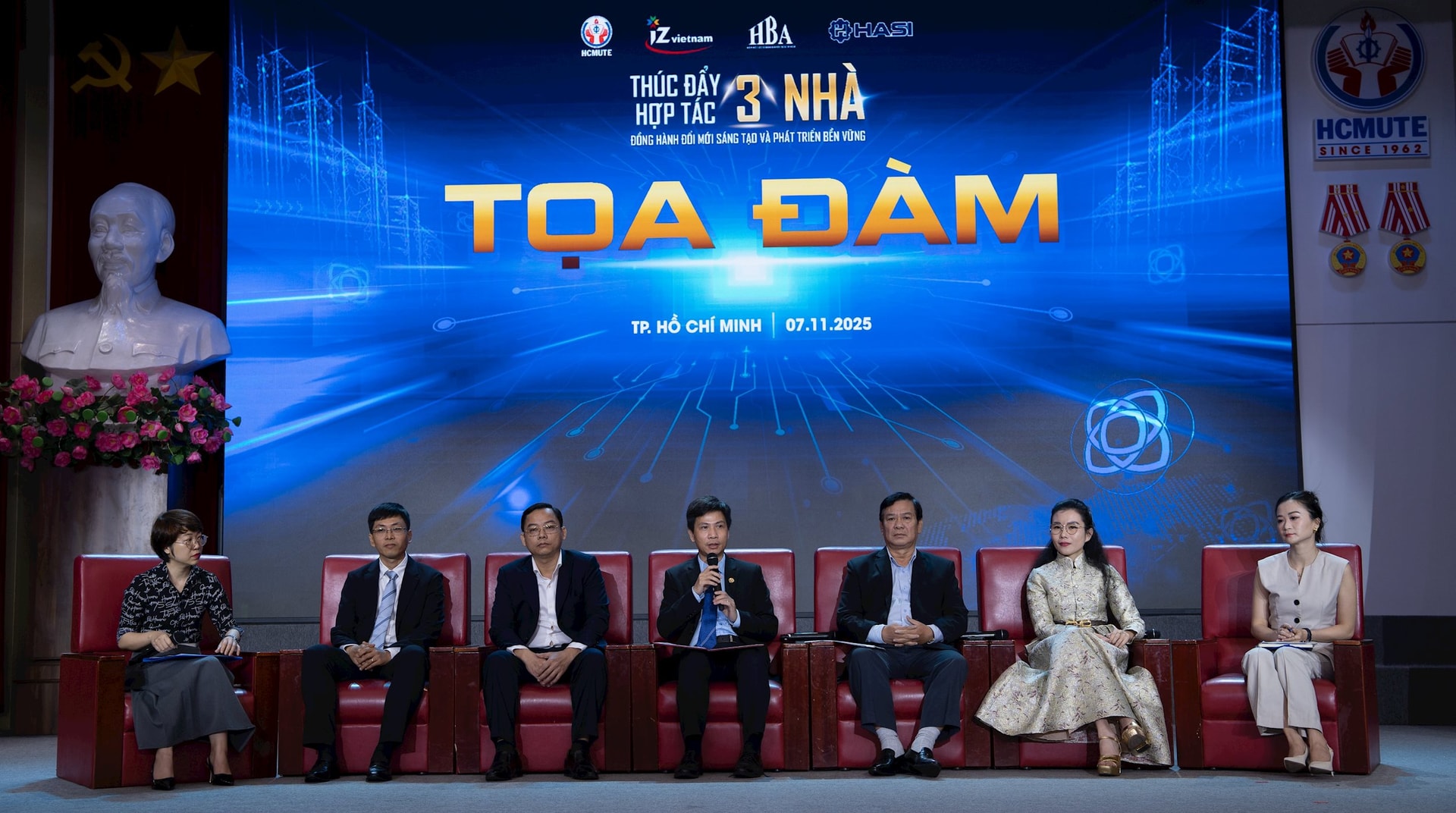
Meanwhile, Mr. Võ Sơn Điền, Chairman of HASI, stated:
“Supporting industries are the lifeblood of the manufacturing ecosystem. To strengthen this flow, we need a practical action ecosystem, supportive policies, and enterprises willing to innovate. AMTC is a necessary model to help businesses showcase and apply solutions effectively.”
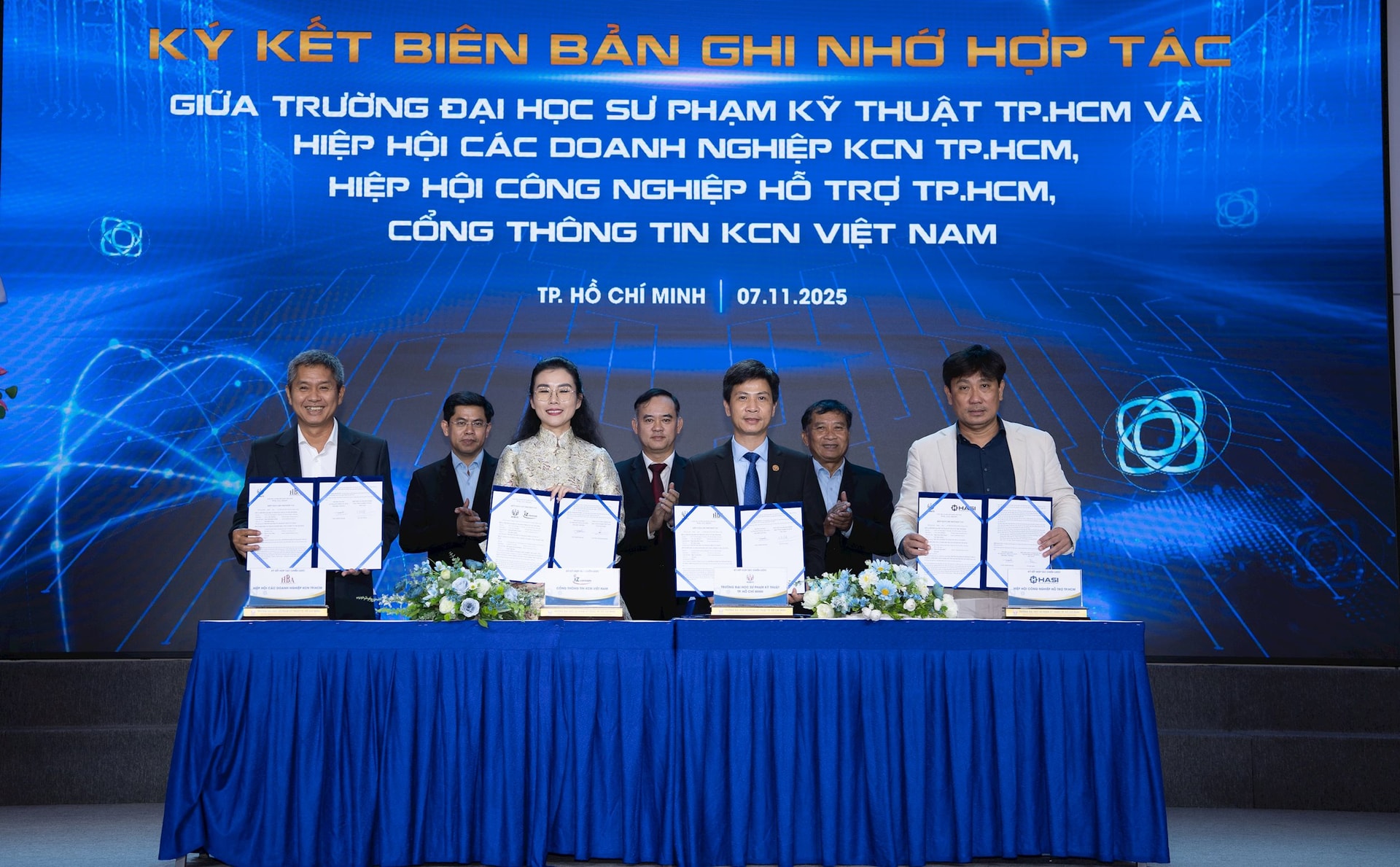
Signing Ceremonies: High-Tech Workforce Training, R&D, and Technology Transfer
The conference witnessed multiple cooperation agreements between HCMUTE, VIZ, HBA, and HASI on high-tech workforce development, R&D, and technology transfer. Representatives from UNIDO and ILO reaffirmed their commitment to supporting Vietnam in building an effective “Triple Helix” model that enhances national productivity.
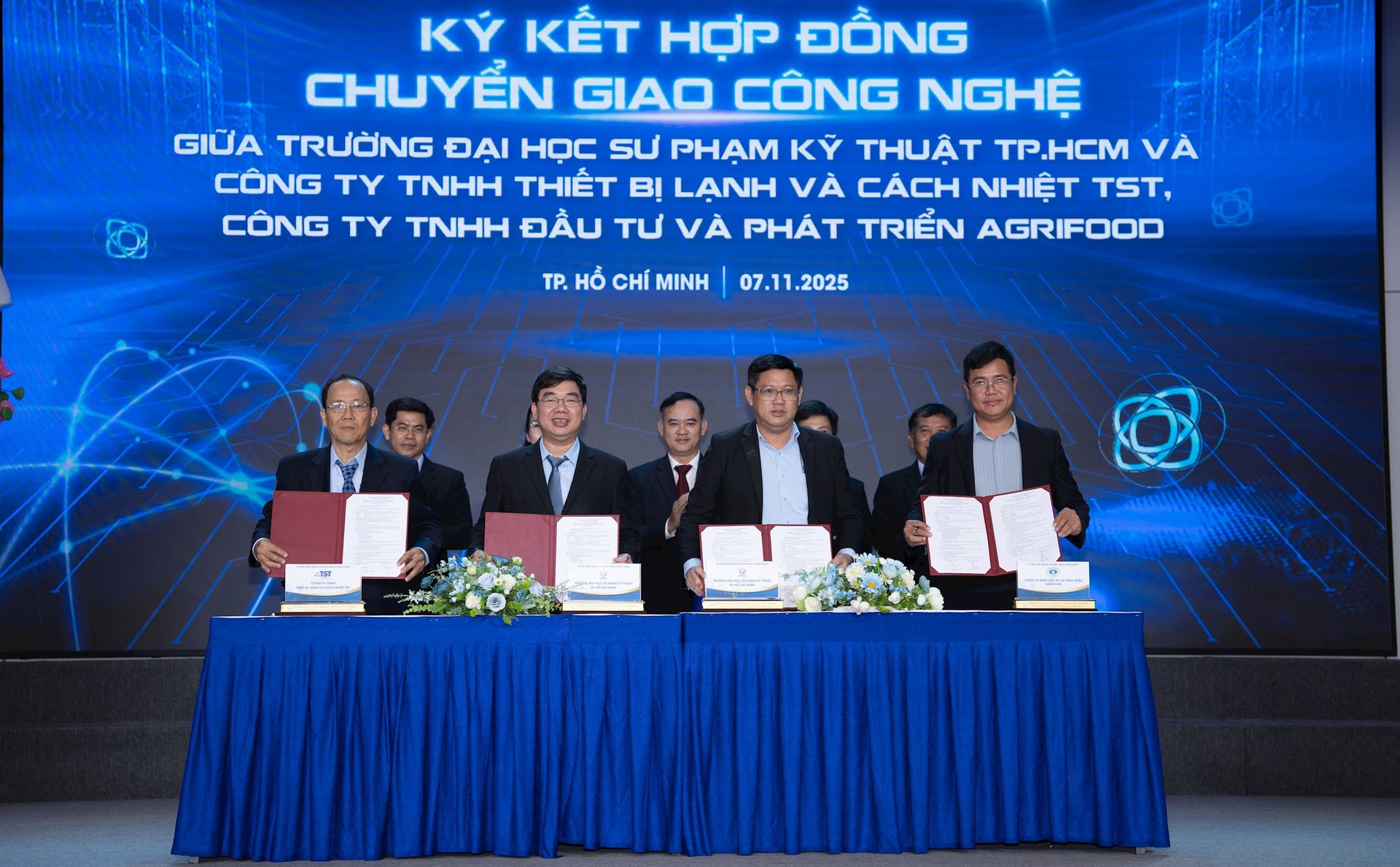
A highlight was the initiative to establish the Advanced Manufacturing Transformation Center (AMTC)—a collaboration between VIZ and HCMUTE. The center is designed to become a practical platform connecting the Triple Helix, focusing on research, testing, and implementation of manufacturing transformation solutions tailored to Vietnamese enterprises.
Ms. Nguyễn Thị Kim Khánh, CEO of VIZ, shared:
“AMTC will be an open space where enterprises can experience, test, and collaborate with universities in technology innovation and workforce training.”
In the context of Ho Chi Minh City promoting the transformation of industrial parks toward green and smart models, AMTC is expected to become a “real industrial supermarket” and a strategic partner for achieving sustainable industrial development.